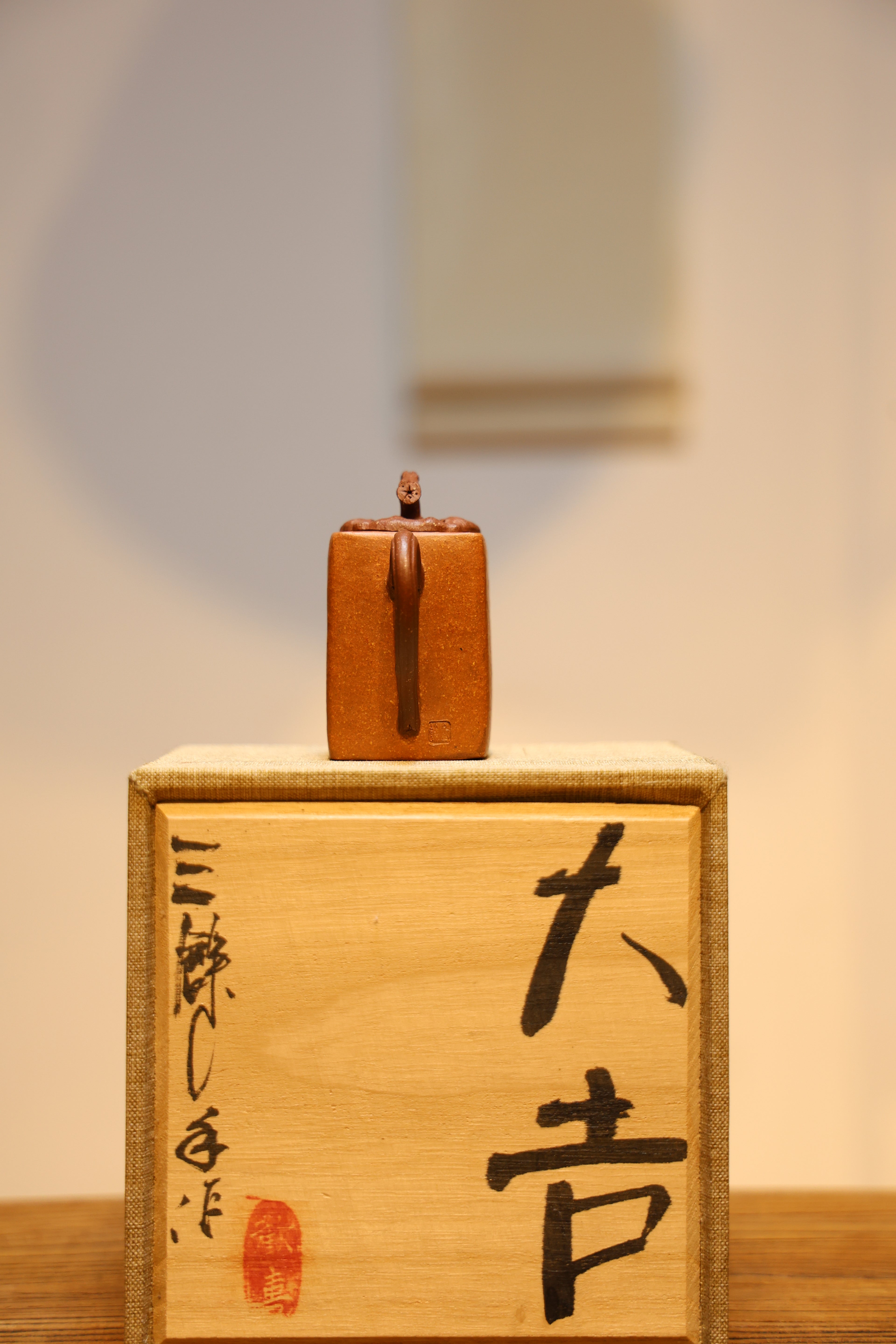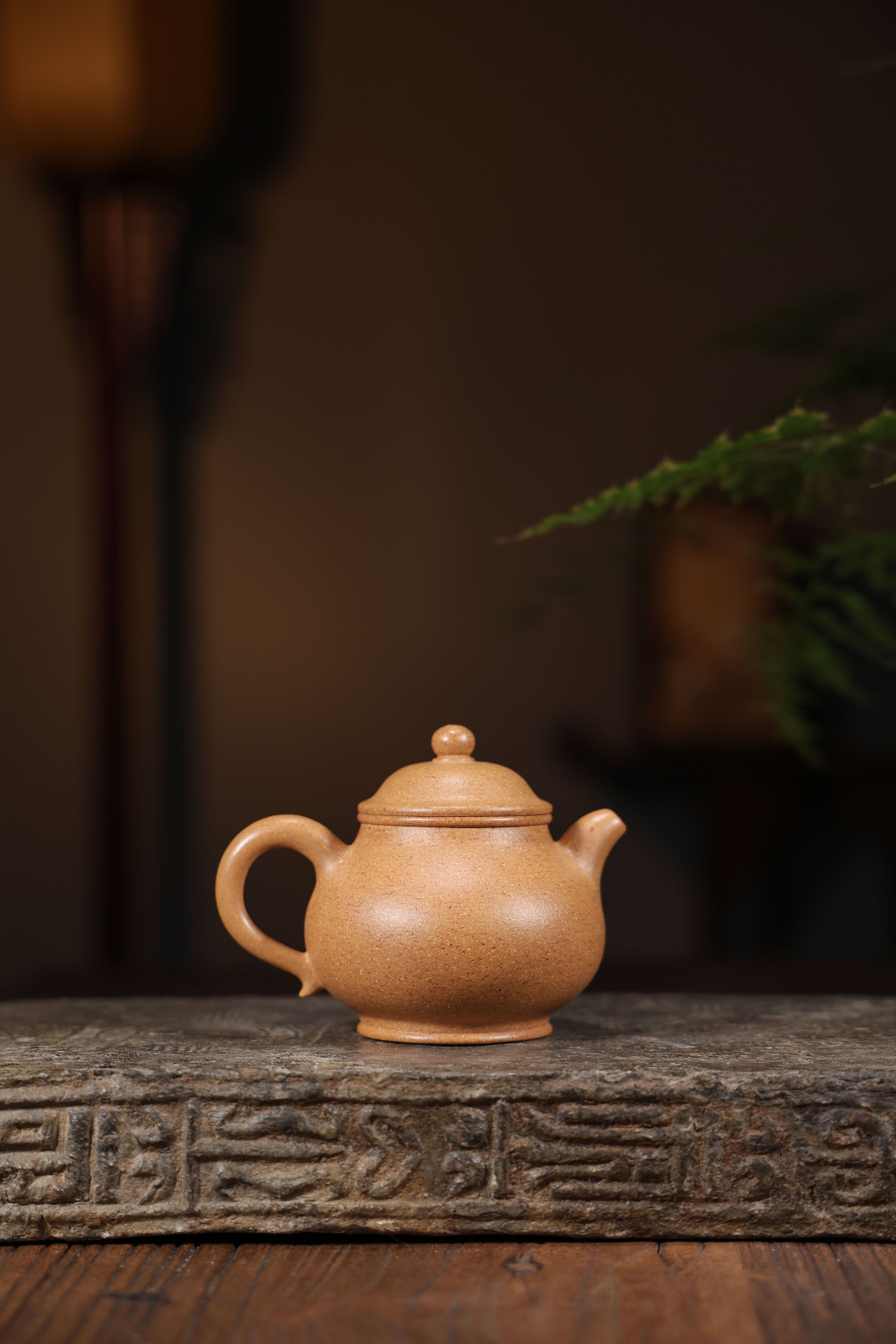
Periods in enthusiasts have yearned the exclusive attraction of Yixing Zisha containers. Coming in the scenic town of Yixing, the territory, these urns are constructed from a scarce and dug purple clay recognized for its extraordinary thermal attributes and tendency to enhance the richness of extracts. Outside of their utilitarian importance, Zisha teapots embody a rich legacy roots, transforming them exceptionally valued and a genuine wonder for any ardent teapot fan.
Understanding Yixing Teapots
Historical teapots demonstrate a noteworthy synthesis of history and expert craftsmanship. Rooted in Yixing, Jiangsu Province of China, their narrative commences in the Ming Dynasty, although traces suggest earlier iterations. The rare plum clay, called Zisha, found only in the Yixing region, is the paramount component, contributing to the pots' remarkable heat stability and the manner they control the profile of tea. Successive eras of potters have mastered techniques—often handed over through families—including modeling the clay, applying decorative embellishments, and firing the pots at exact temperatures.- Back then, Yixing teapots were often trimmed with simple designs.
- Afterwards, more complex carvings and expressive motifs became common.
- The baking procedure itself is a vital element, requiring decades of proficiency.
Amassing Zisha Teapots: Important Insights
Starting a venture to collect Zisha pots can be profitable, but it’s vital to discern what to look for. Authenticity is fundamental; focus on the potter’s natural cast, a subtle reddish-brown is characteristic. Examine the consistency; genuine Zisha has a unique tactile sensation, often characterized as slightly bumpy. The design should be attractive and consistent with traditional styles, while stamps, if present, require precise examination for genuineness. Don’t refrain to consult with skilled consultants or established contacts – their guidance is critical.
The Earthenware: Understanding the Lineage of the Yixing Zisha Clay
Generations have seen Yixing Violet Clay teapots preserve a special role in Chinese history. These carefully constructed pots, sourced specifically from the region of Yixing, are renowned for their recognizable tone, grain, and their ability to amplify the quality of liquids. Many collectors desire antique Yixing teapots, regarding them immensely not only for their aesthetic attractiveness, but also for the background they stand for.
Yixing Zisha Teapots: A Best Types and Their Features
Purple Clay teapots, coming from the local region of Yixing, the People’s Republic, are renowned for their unique clay and outstanding brewing capabilities. Amidst the different Zisha types, notable classes that are highly admired include Huiwan. Binzhou, known for its rich purple shade and fine texture, delivers a mild flavor. This Duan Ni variety, recognizable by its orangish color and fairly grainy feel, is assumed to enhance the fullness. Lastly, The Zhuni type boasts an rare burgundy tone and can bestow a mild nuance. Each type offers a singular experience, enabling them remarkably desirable among liquid enthusiasts.
Refining Personal Purple Clay Cup
To realize the essence of your Yixing kettle, appreciating the correct system is vital. These clay pots, celebrated for their passability, will steadily take on the quality of the tea you make within them. Begin by rinsing the pitcher thoroughly with clean water. Then, use only select natural leaf tea, as lower quality options can harm the object’s delicate essence. Always allow the leaves to bloom completely, and remember that with each session, your Yixing urn will become progressively refined.
Caring for Your Priceless Zisha Treasure
Proper treatment for your Zisha teapot is crucial to maintaining its durability and worth. Zisha clay, praised for its unique tone and makeup, requires specific handling. Never use stringent soaps, as these can spoil the surface. After every application, rinse the jar with mild water and allow it to cool off completely.
- Do not soaking the urn for extended times.
- Sometimes use a soft cloth to buff the exterior.
- Evaluate applying a thin layer of food-grade oil inside the container after drying, which can diminish staining.
Initial Guide to Yixing Teapots
Yixing vessels, originating from the Yixing province in Jiangsu Province, of China, are celebrated for their distinctive traits. Shaped from the unique purple clay known as Zisha, these kettles are prized by potion enthusiasts worldwide. This summary will simply explain the core elements – covering sorts of Zisha matrix, common shapes, and crucial care suggestions. Understanding the roots of Yixing teapots can improve your appreciation for this time-honored example of Far Eastern civilization.
Fabrication of Yuan Vessels: Spotlighting Zisha native to Yixing locality
Zisha clay from Yixing City represents the zenith of Zhongguo earthenware design, exhibiting a rare composition of elemental beauty and hands-on artistry. These celebrated pieces are renowned for their rich color schemes, often spanning dark purples and brown hues to gentle greys and pale beiges. The distinct mineral composition of the area’s Zisha ground imparts a signature texture and generates a agreeable aroma that improves the complete brew experience, making them highly wished-for collectibles and integral components of any serious custom.